

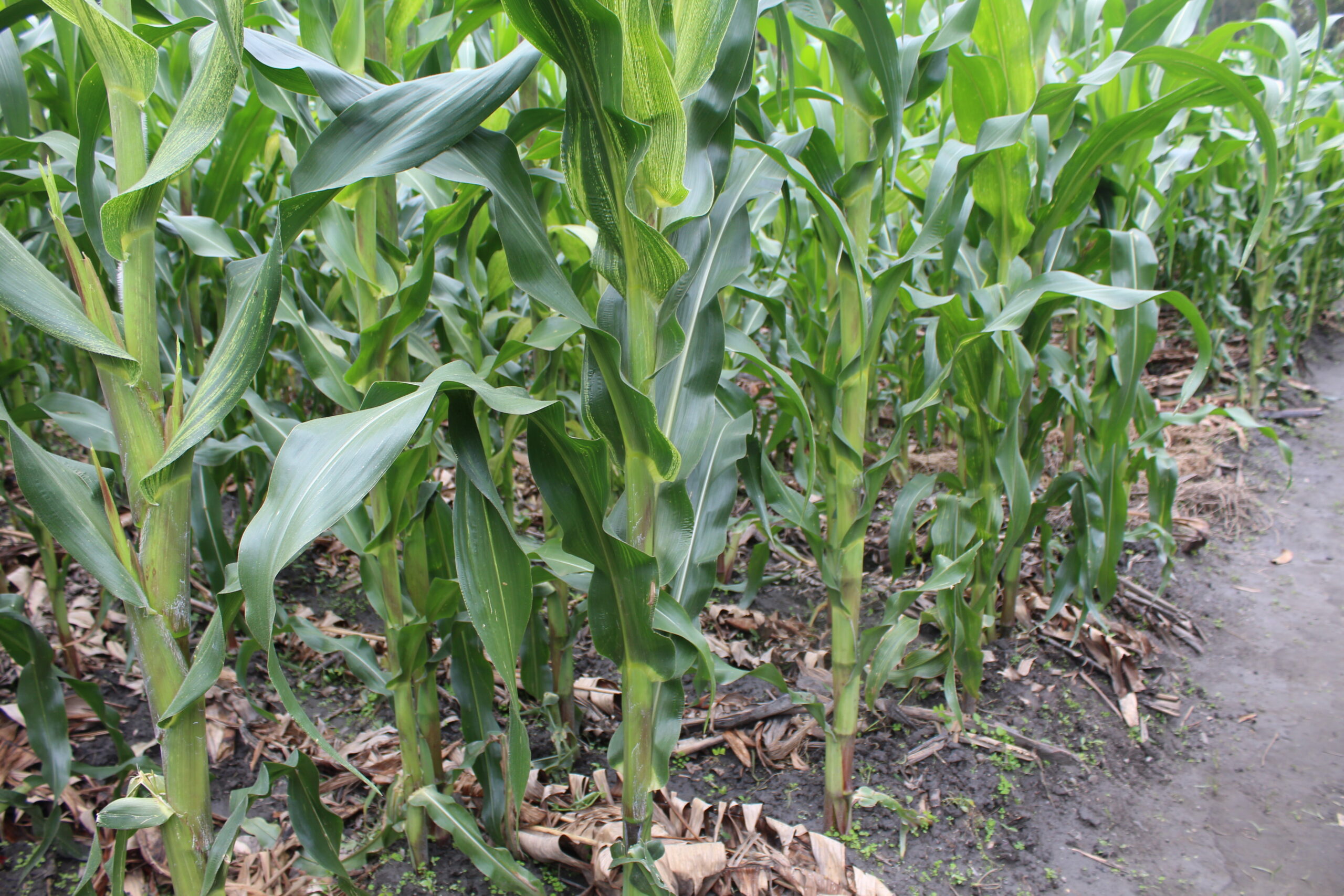
On the 11th and 12th of November 2020, Peace and Development Network (PDN) held training with local leaders with the aim of informing them about the activities done by the 5 organizations that make up PDN.
As we all know, local leaders work hand in hand with the population, and they play a vital role in connecting the different activities done by partners with the general population.
We organized this food-security-through-Conservation-Agriculture (CA) training after seeing that over 85% of Rwandan households cultivate land and/or rely on agriculture as the main, and often only livelihood activity. 60% of these households cultivate lands smaller than 0.5 Ha. This farming is often done on steep slopes with poor soil fertility and soils in Rwanda are often strained by nearly continuous cultivation. According to the World Bank’s most recent study on food security in Rwanda, 20% of households are food insecure with unacceptable food consumption.
Furthermore, over 40% of households that are food secure are susceptible to food insecurity in case of a shock, such as a drought or irregular rains. COVID 19 has caused a lot of households to fall back into the “food insecure” category.
Food security differs in each of the districts PDN works in, with some districts above the national average, and others below, yet all of them contain vulnerable households which are at risk and in need of assistance.
After acknowledging these statistics, we showed our personal organizational goals in order to increase food security in Rwanda:
- Establishment of farmer field schools to facilitate individual adoption of CA.
- Rental of study plots for farmer groups to carry out systematic field trials and well-implemented demonstrations of CA techniques.
- Continued community-level outreach and engagement of local authorities.
- Distribution of GM/CC seeds and trainings on GM/CC crop association systems.
- Training component for nutrition in food security through kitchen gardens and “one pot, one hour, one complete meal” technique. (Kitchen gardens are gardens very close to family houses, where there is easy water supply for irrigation, and an ease of caring for the garden)
- Training component for gender equality and family conflict resolution.
- Continued capacity building for field staff and volunteer farmers as extension agents.
These goals have helped us to complete the following activities:
- Improved involvement of local leaders and partnerships with other stakeholder in the areas of intervention.
- 2366 smallholder farmers trained in CA during phase 1 of the project, approximately 10174 indirect beneficiaries impacted.
- 1366 (goal of 1260) smallholder farmers trained in CA during phase 2 of the project and 7121 (goal of 5418) indirect beneficiaries impacted.
- Crop yields under CA have shown a higher than 10% increase over those under convention systems.
- Average coping strategies score (food security indicator) has been lowered from 13.8 to 12.9.
- Number of households eating food from all 4 food groups has increased from 25% to 30%.
- 98% of farmers in project have kitchen gardens.
- Increased cooperation amongst household members.
- CA adoption at 95% of project farmers and 56% of farmers now keeping GM/CC seed.
This training in Kayonza was very successful, and one reason for this was the desire of the participants to learn and to interact with each other. In total, there were approximately 35 guests, evenly distributed from all five districts. We incorporated get-to-know-each-other exercises into the presentation to increase interaction and to help participants to remember the key CA techniques needed in Rwanda (Crop rotation, minimum tillage, cover crops, and furrowing). This allowed for fun outdoor activities where everyone was enjoying themselves, and where everyone was encouraged to ask questions. One participant gratefully shared at the end of the first day that she works with farmers every day in government and didn’t know most of the information that had been shared so far. Everyone seemed to agree that this information needed to be shared to all leaders working with farmers.
Very inspiring initiative by PDN. Strengthening food security through Conservation Agriculture, community engagement, kitchen gardens, and farmer field schools is a sustainable way to empower vulnerable households.
I especially appreciate the involvement of local leaders and the focus on practical farmer learning approaches. The impact statistics clearly show how community-based interventions can improve livelihoods and resilience. Congratulations to the entire PDN team for this meaningful work in Kayonza and beyond.