WFP, MCC, RICA Learning tour

Learning Exchange on Conservation Agriculture: A Collaborative Effort by PDN, WFP, MCC, and RICA

Since 2012, PDN has been at the forefront of implementing Conservation Agriculture (CA), initially under the name Farming Under God’s Way. This approach was later renamed Conservation Agriculture to broaden its appeal and avoid limiting its scope to specific cultural or religious groups. Recognizing that all people were created in the image of God, PDN sought to adopt a more inclusive approach to sustainable farming practices.

Over the years, PDN has worked in partnership with several key organizations, including the World Food Programme (WFP), Agriterra, Areco Rwanda Nziza, and others, to train and empower farmers. Through these collaborations, PDN has reached a wider audience, sharing knowledge on conservation agriculture practices that promote sustainable farming, improve soil health, and help farmers build resilience against the impacts of climate change.

A Learning Exchange in Kayonza District

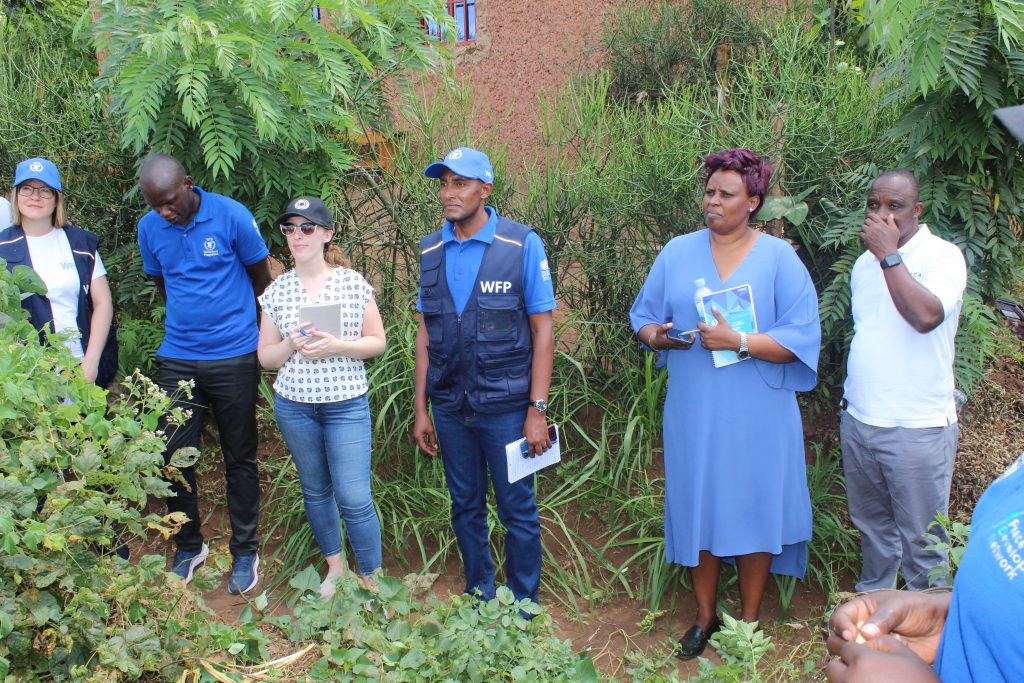
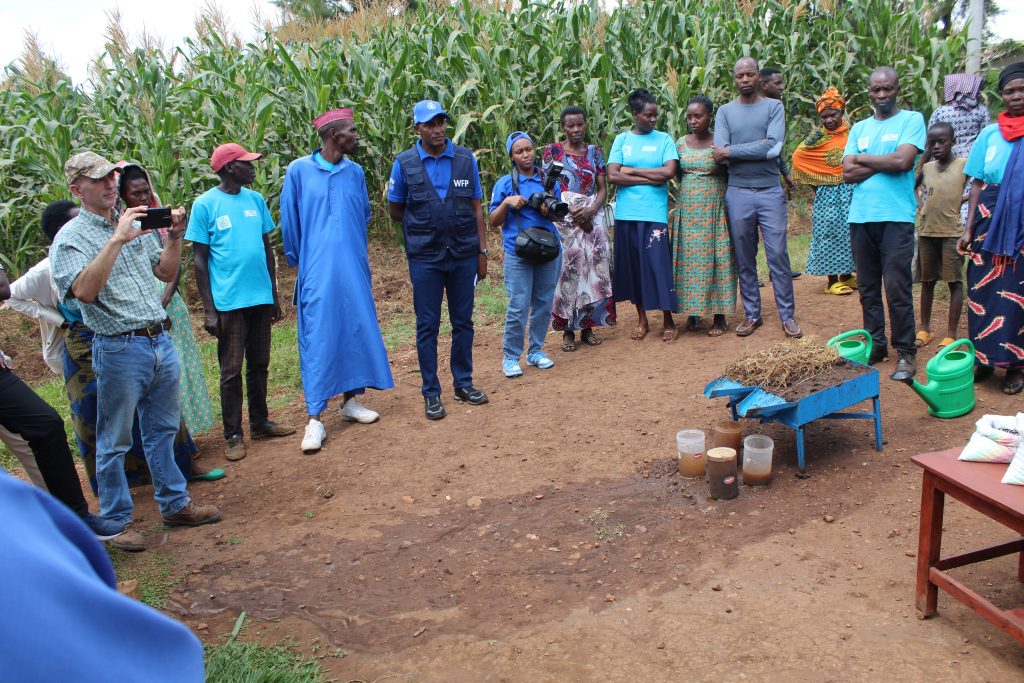
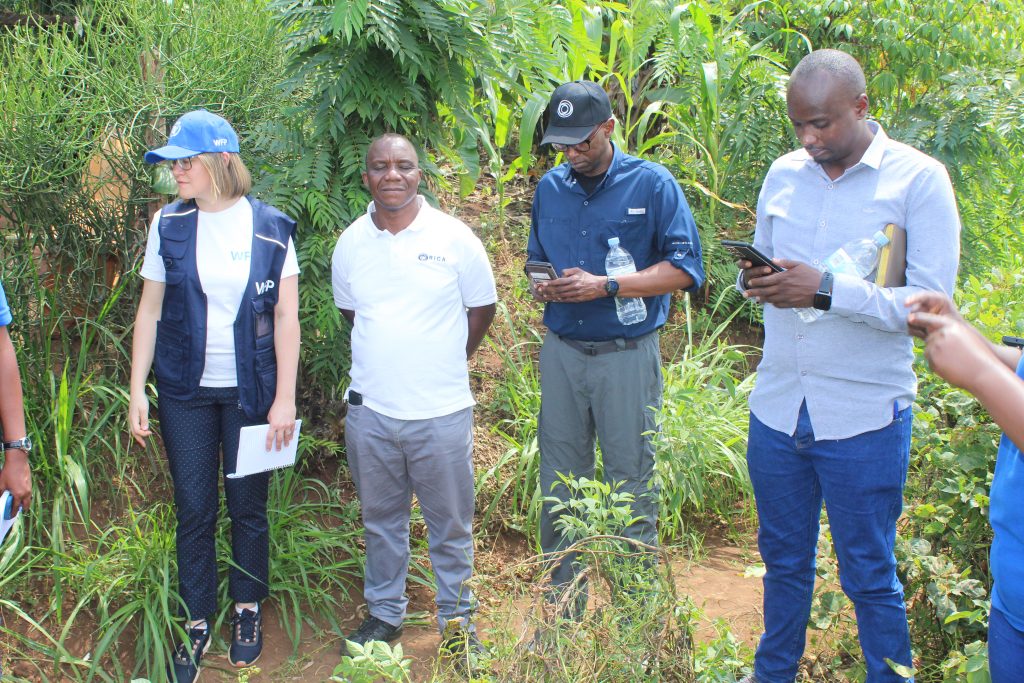
To further promote Conservation Agriculture, WFP, MCC, and RICA joined forces with PDN to organize a learning exchange tour to Kayonza District, one of PDN’s key operational areas. The primary aim of this tour was to learn first-hand how CA is being implemented on the ground and to gather insights that could be used to train their own project participants. By experiencing PDN’s successful approach to CA, the organizations aimed to expand their efforts to improve the livelihoods of farmers across Rwanda.

During the tour, Richard Makuza from WFP praised the work being done by PDN and encouraged them to scale their efforts. He stressed the importance of extending these practices on a larger scale so that more farmers can benefit from PDN’s knowledge and experience.

Claude Kayitsinga from RICA, a higher learning institution focusing on Conservation Agriculture, also expressed appreciation for the work being done by PDN. RICA committed to sending students to learn from PDN’s initiatives, recognizing the potential of CA to address the challenges facing farmers in Rwanda.

The Need for Conservation Agriculture in the Eastern Region

The Eastern Region of Rwanda faces numerous agricultural challenges, including unpredictable weather patterns, declining soil fertility, and limited water resources. Traditional farming practices, which often involve heavy tillage and monocropping, have contributed to soil erosion, reduced soil fertility, and increased dependence on chemical fertilizers.

Conservation Agriculture offers a sustainable solution by focusing on practices that restore soil health, conserve moisture, and increase yields. Through minimal soil disturbance, crop rotation, and the promotion of ground cover, CA helps farmers build resilience against climate change and improve the long-term sustainability of their farms.

The organizations involved in this learning exchange recognized the urgent need for such practices, especially in the Eastern Region, where vast expanses of land could be leveraged to implement these methods on a larger scale. The collaboration between PDN, WFP, MCC, and RICA serves as a powerful step toward ensuring that agricultural development efforts are in harmony with the needs of the environment and the communities that depend on it.

A Future of Sustainable Agriculture

The learning exchange has proven to be a pivotal moment for the institutions involved. By gaining firsthand experience with PDN’s successful implementation of Conservation Agriculture, these organizations are now better equipped to adapt and promote sustainable agricultural practices in their future work. The tour provided them with valuable insights into the realities faced by farmers and strengthened their commitment to supporting food security and agricultural development in Rwanda.

Moving forward, the goal is clear: to foster an environment where agriculture thrives sustainably, benefiting both the land and the people. This experience has underscored the importance of collaboration, continuous learning, and adaptability in the pursuit of sustainable agricultural practices. As WFP, MCC, and RICA continue their efforts, they will carry forward the knowledge and experiences shared by the farmers of PDN, ensuring that the future of agriculture is one of shared growth, resilience, and sustainability.

Through these partnerships, we remain committed to advancing the cause of sustainable farming, improving livelihoods, and ensuring food security for future generations.