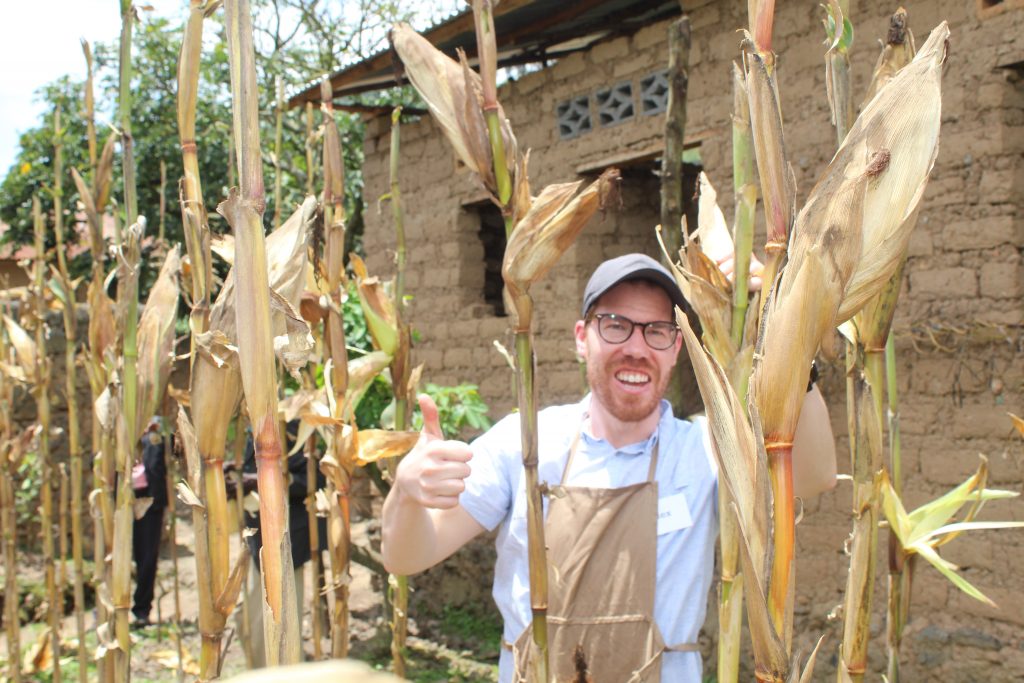
The conservation agriculture techniques employed by the PDN project emphasized minimal soil disturbance, crop rotation, and cover cropping. These methods not only enhanced soil health and fertility but also contributed to increased crop yields and resilience to climate change—a critical factor in ensuring food security for communities in the face of environmental uncertainties.
Moreover, the Alberta team was particularly impressed by the project’s holistic approach, which included initiatives aimed at improving financial literacy and promoting savings habits among community members. Through innovative savings schemes and microfinance initiatives, local residents were empowered to invest in their future and build resilience against economic shocks.
“We were amazed by the innovative savings initiatives implemented by the PDN project,” said Phil, another member of the Alberta team. “The idea of integrating financial empowerment with agricultural development truly exemplifies a sustainable approach to addressing food security challenges.”
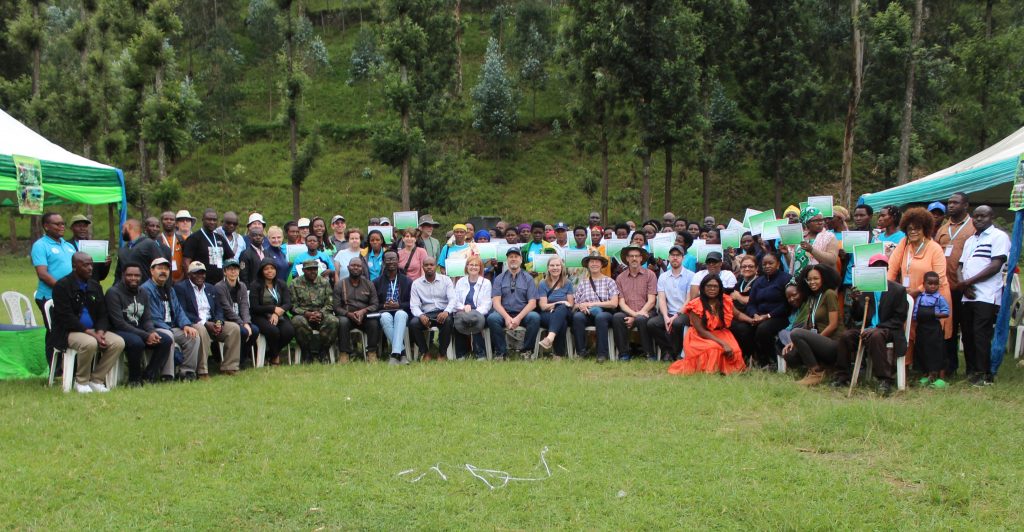
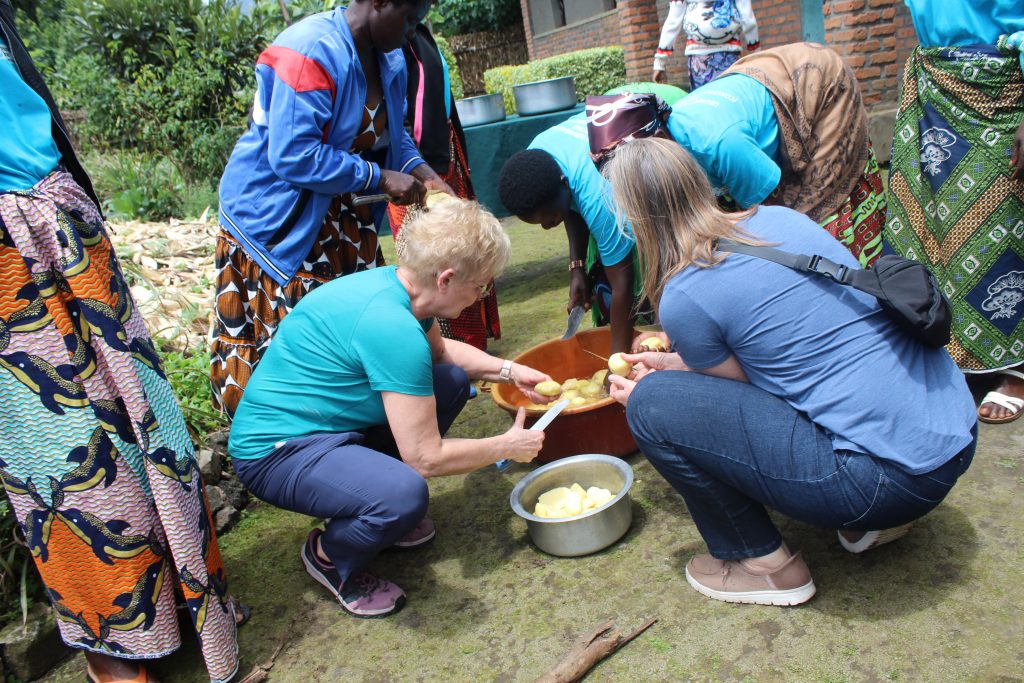
As the Alberta team toured the project sites and engaged with community members, they gained valuable insights into the interconnected nature of food security, environmental sustainability, and economic resilience. The experience left a profound impression on the team, reinforcing their commitment to supporting similar initiatives back home in Alberta.
“Our visit to the PDN Food Security Project has been a transformative experience,” remarked Tim. “It has underscored the importance of community-led efforts and collaboration in addressing complex global issues such as food insecurity.”
As the Alberta team bid farewell to the PDN project and returned home, they carried with them not only memories of a remarkable journey but also a newfound sense of purpose and inspiration. Their visit served as a poignant reminder that, in the pursuit of a more sustainable and equitable world, collaboration knows no boundaries.